Home / Pool Barrier Gates for Georgetown Backyards
Pool Barrier Gates for Georgetown Backyards
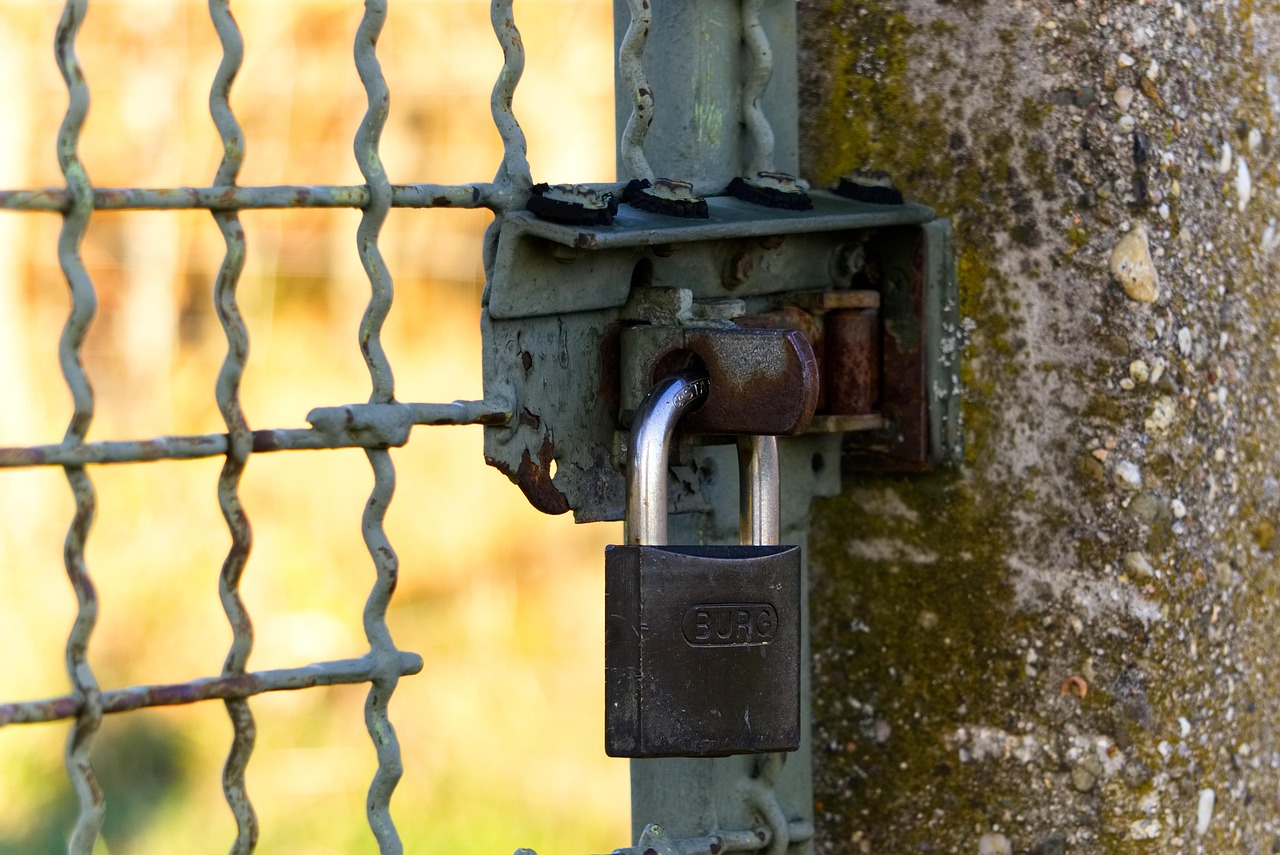
A pool barrier gate in Georgetown should swing outward from the pool, close on its own, latch every time and sit behind a fence tall enough that a small child cannot climb it. Those four traits matter more than the style of the metal, because a pool gate is a safety device first and a decorative piece second.
Why the gate is the weak point of a pool fence
A solid fence panel has no moving parts, so it either stands or it does not. A gate has hinges, a latch and a closing mechanism, and each of those can fail quietly. A latch that sticks in summer heat, a hinge that sags after a wet spring or a spring that loses tension can leave the gate resting open without anyone noticing. Most incidents around residential pools involve a gate that was propped, broken or simply left unlatched.
Georgetown backyards add a few local conditions. Hot summers expand metal and dry out lubricants, clay soil moves with rain and drought, and families who spend long afternoons outdoors open and close the gate dozens of times a day. A gate built for that kind of use needs sturdier parts than a plain garden gate.
Direction of swing
A pool gate should open away from the pool. If a child pushes against the gate from the pool side, the push should press the gate into its latch and stop, rather than swing it open. Outward swing also means that a gate pushed by water, toys or a stumbling toddler stays shut.
That detail has to be planned when the posts go in. Changing the swing later often means moving the latch post and rehanging the leaf, so it is worth settling before concrete is poured.
Self closing and self latching
The gate should close from any open position without a hand to guide it, and the latch should engage on contact. Spring hinges and gravity closers do the closing, and a spring loaded or magnetic latch does the catching. The test is simple: open the gate halfway, let go and listen for the click. Repeat from fully open and from a few inches ajar, since a weak spring may close the gate from one position but stall in another.
Hinge tension should be adjusted so the gate closes briskly without slamming. A gate that slams loosens its own hardware and startles small children, while a gate that drifts slowly may stop short of the latch.
Latch height and release
Latches belong high on the gate, out of a small child's reach, and the release should be on the pool side only where an adult can operate it with a quick pull or lift. Many families choose a latch with a lockable knob so the gate can be secured completely during vacations or when the pool is not in use.
Anyone shopping for hardware will find that the related page on lockable latches for gates used by children covers the choices in more depth.
Height and climb resistance
The fence and gate together should present a tall, smooth face to a child. Horizontal rails on the pool side give small feet a ladder, so the rails and decorative cross bars belong on the outside, or the design should use vertical bars only. Picket spacing needs to be tight enough that a child cannot squeeze through or get a head stuck, and the bottom gap should be small enough to prevent crawling under.
Metal gates suit this job well because bars can be spaced and welded precisely, and the finish stays clean in sun and splash. A fabricator can match the pattern of the fence so the gate does not look like an afterthought.
Materials and finish near water
Chlorine, salt air from pool equipment and constant moisture attack plain steel quickly. Galvanized steel with a powder coat finish resists corrosion well, and aluminum avoids rust altogether, though it is lighter and may need heavier posts for stability. Stainless hardware lasts longer than plated hardware beside a pool, and nylon or stainless spring parts avoid the rust stains that run down a bar and onto the deck.
The ground at the gate deserves attention as well. Water, mud and pool chemicals wash across the threshold, so a concrete pad under the gate swing keeps the posts from shifting and avoids a muddy gap that lets the gate drag.
Posts and footers
A pool gate leaf may be only a few feet wide, but it swings thousands of times in a season. The hinge post carries all of that load, so it needs a deep concrete footer, sized to the soil. Expansive clay around Georgetown can push a post out of plumb after a wet winter, and a post that leans only a little can stop a self closing gate from latching.
Setting posts below the frost line is rarely an issue here, but setting them deep enough to resist clay movement and strong wind is. Check the plumb of the hinge post each spring, and adjust the hinge or latch strike if the alignment has shifted.
Rules and inspections
Pool barrier requirements come from local code and from the pool permit process. The city and the county can explain current height, gap and latch requirements, and an inspection may be required before a new pool is filled. A fabricator who builds pool gates regularly will know what inspectors expect and can match the design to those requirements before welding begins.
Homeowners associations in neighborhoods such as Sun City may add their own rules about fence style and color, so check those guidelines before choosing a finish.
Everyday habits
Even the best gate depends on the people who use it. Never prop a pool gate open with a chair, a toy or a brick. Teach older children to close it behind them every time, and make a habit of checking the latch before leaving the yard. A monthly test takes less than a minute: open the gate, release it and confirm that it closes and clicks without help.
- Check that hinges are tight and not rusted.
- Confirm the gate closes from fully open and from partly open.
- Lubricate the latch with a dry lubricant that does not collect dust.
- Look at the bottom gap and the picket spacing for changes.
- Walk the fence line for loose posts or bent bars.
When to repair and when to replace
A worn spring or a loose latch is an inexpensive repair, and a fabricator can often swap the part in a visit. A bent frame, a cracked weld or a post that has shifted badly may call for a new gate. If the gate has been out of service for a while, treat the pool as unprotected until the repair is done and keep children away.
A pool barrier gate in Georgetown works best when the design, the hardware and the habits all point the same way: outward swing, a gate that closes itself, a high latch and a tall climb resistant face. Get those right and the pool area stays safe through every summer.