Home / Keeping Dogs and Children Safe Behind a Georgetown Gate
Keeping Dogs and Children Safe Behind a Georgetown Gate
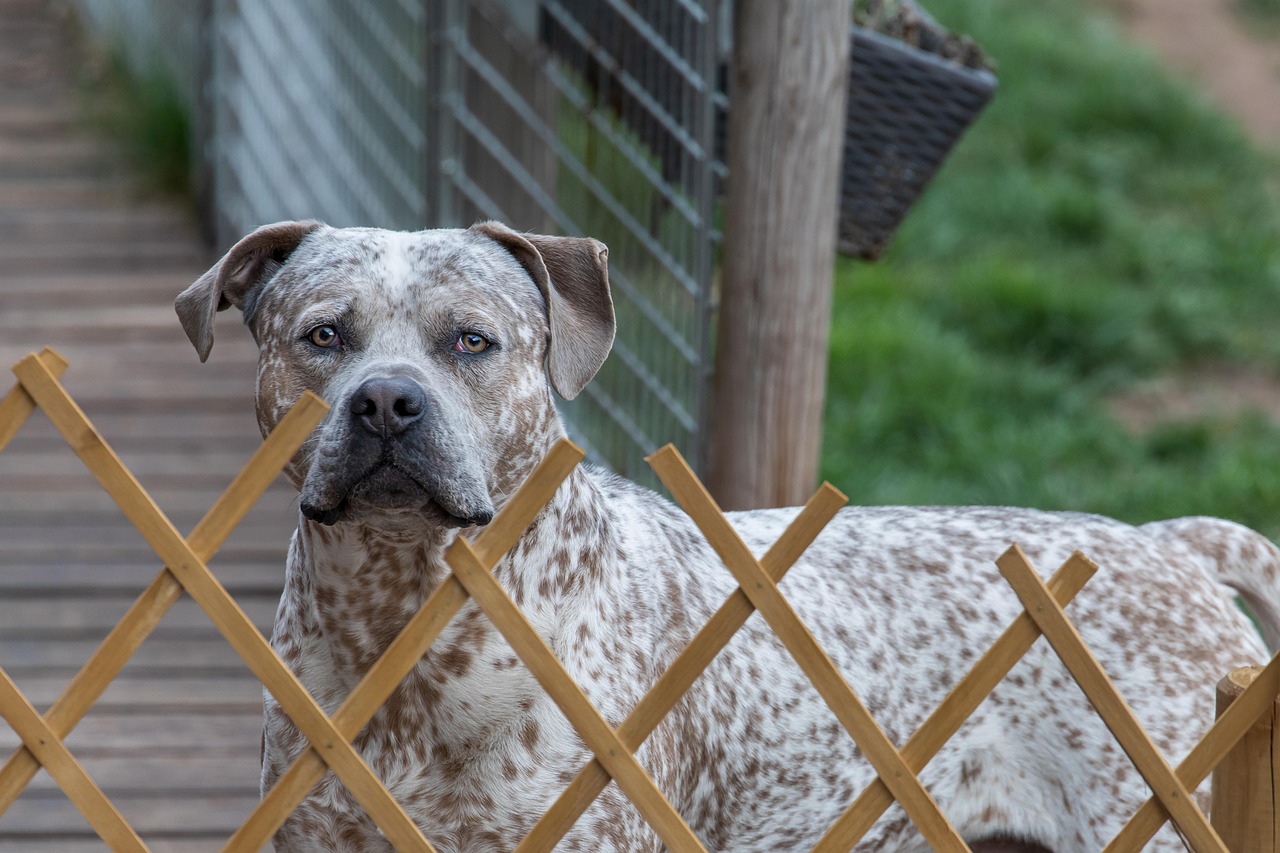
Keeping dogs and children safe behind a gate in Georgetown comes down to three things: a gate that closes and latches without help, openings too small to squeeze through and a base that stops digging. The rest is habit, since even a perfect gate fails when someone props it open.
Know what you are containing
A toddler, a beagle and a husky each test a gate differently. Toddlers climb and pull on latches. Small dogs squeeze through gaps that look too narrow. Large dogs jump, lean and push. Diggers tunnel under the base, and clever escape artists learn to lift a latch with a nose. Start by writing down who is in the yard now and who may be there in a few years, because a puppy grows and a baby becomes a toddler with surprising speed.
The closing mechanism
Self closing hinges pull the gate shut from any position, and a self latching latch catches without a hand. These two features are the most useful safety upgrades a gate can have. They remove the chance that someone leaves a gate ajar during a delivery or while carrying groceries. Test them often, because springs lose tension and latches collect grit.
The gate should close firmly but not slam. A gate that swings shut with too much force can hurt a child or a dog that follows close behind, and it wears out the hardware fast.
Latches that work for adults but not for kids
Place the latch high on the gate, and choose one that needs two motions to open, such as lifting and sliding. Children develop the strength and coordination to operate simple latches around age three or four, and dogs can bump a thumb latch open. A latch with a locking knob or a key provides another level of protection, though a family needs a plan for emergencies so that an adult can open the gate quickly.
Magnetic latches are popular because they are quiet and reliable in weather, but they must be rated for the weight and spacing of the gate, and a strong child can sometimes pull a weak magnet apart.
Picket spacing
For children, a safe spacing keeps a head from fitting between pickets. For small dogs, the gap needs to be even tighter, since a puppy can squeeze through an opening that seems too small. Many owners solve the problem by adding a lower panel of tight mesh or solid sheet to the bottom half of the gate, while keeping open pickets above for a clear view.
Horizontal rails invite climbing. Where possible, choose vertical pickets with the rails on the outside, or use a smooth panel on the inside face of the gate.
Height
A gate for children and small dogs can be modest in height, but a gate for athletic dogs needs more. Jumpers can clear a four foot fence without effort, and some breeds scale a five foot fence by using a pile of toys or a bench. The gate should match the fence in height, since a dog will test the lowest point. Setting a gate a bit higher than the fence is a mistake, and so is a lower gate in a tall fence.
Stopping diggers
Many dogs dig under gates because the ground is soft there, wear has made a dip and the gate is the spot where a scent trail leads out. Fixes include a concrete strip across the threshold, a buried wire or metal flashing that extends several inches below grade, or a row of large stones along the base. A gate with a low rail that sits close to the ground helps as well. Check the ground after rain, when soil is soft and a dip forms.
The clay and limestone soils around Georgetown can be hard in dry weather but soften after a storm, so diggers often make progress right after rain.
Pet doors and other gaps
A pet door in a gate is a handy feature that can also create a weak point. Choose a model that locks, and place it where a child cannot crawl through easily. Check the gaps around posts and where the gate meets a wall, since small dogs find openings that humans overlook. A flexible weatherstrip or a short return panel at the post can close the gap.
Water and pools
If a pool, a pond or a creek is nearby, a gate becomes a safety barrier and should meet the stricter requirements for pool barrier gates. Even a modest garden pond calls for caution around toddlers. A separate fence around the water, with its own gate and latch, is often more reliable than relying on the yard gate alone.
Heat and shade
A gate that keeps a dog contained also keeps the dog in a hot yard. Georgetown summers are long, and a dog left outside needs shade and water at all times. Make sure the enclosure has a covered spot and that the gate does not trap a pet in a sunny corner during the day. Metal gates can get hot to the touch, so a light colored finish helps near areas where animals rest.
Visitors and service crews
The most common cause of a loose pet is a visitor who does not know the rules. Post a small sign asking people to keep the gate closed, and tell regular visitors such as lawn crews, pest control and repair workers how the latch works. A second gate, such as a small inner gate by the driveway, creates a double barrier, so that a dog that slips through one door is still contained.
A yearly checkup
- Test the closing speed and the latch from several positions.
- Measure the gaps at the bottom and between pickets.
- Look for dips under the gate and fill them in.
- Tighten screws and replace worn parts.
- Walk the fence line and look for chewed or bent spots.
With a self closing gate, a high latch, tight spacing and a solid base, children and dogs in a Georgetown yard can play outside with far less worry. The effort comes mostly at the beginning, when the gate is chosen and installed, and then in a few minutes of upkeep each season.