Home / Thresholds and Ground Under a Walk Gate
Thresholds and Ground Under a Walk Gate
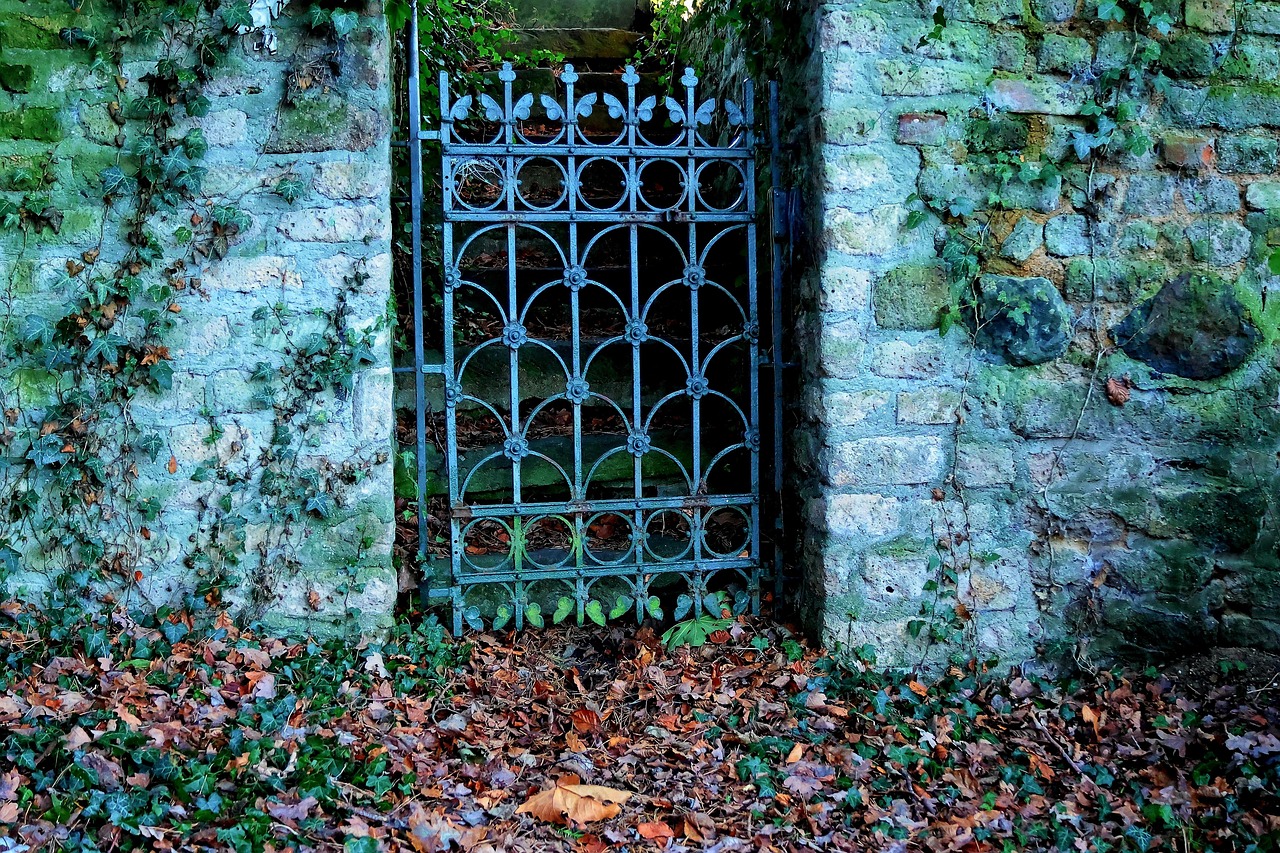
The ground under a walk gate decides how smoothly people, wheels and water pass through it. A good threshold is firm, level, well drained and free of lips or gaps, and it costs little compared with the gate above it. Getting it right makes the gate easier to use for a wheelchair, a mower, a stroller and a tired person carrying groceries.
Why the ground matters
A gate opening is the one place where every trip through the fence concentrates. Feet wear the grass away, wheels cut ruts and rain collects in the low spot. Within a season, a bare patch of mud can form where a gate swings. The soil under a gate also moves with moisture, so a gate that cleared the ground in spring may drag in a wet winter or leave a wide gap in a dry summer.
Clay soil around Georgetown swells when wet and shrinks when dry, and the movement shows up first at the base of a gate, where the clearance is only an inch or two.
A smooth pass for wheels
Wheelchairs and walkers need a surface that is firm and flat, with no change in height greater than a half inch. Small wheels catch on lips, gaps and soft soil. A concrete strip across the opening gives the best surface, and pavers set on compacted base work well too. Loose gravel looks tidy but traps wheels, so it should not be used in the path itself.
Wheelbarrows and mowers handle rougher ground, but a smooth threshold saves effort and keeps loads from tipping. A slight slope toward the yard side sheds water without making the pass feel steep.
Ramps and steps
Where the ground on one side sits higher than the other, a short ramp can solve the difference. A gentle rise of one inch over twelve is the standard for accessible routes, and steeper slopes should be avoided. Where space is tight, a gate that opens onto a landing at the same level as the threshold gives room to turn.
Stepping stones can work for a casual garden path, but they do not suit wheels. If the household includes someone who may use a chair or a walker now or later, choose a continuous surface from the start. Changing the ground later means cutting into a finished gate line.
Drainage
Water that pools at a gate makes mud, rusts hardware and invites digging. Shape the ground so that water runs away from the threshold, and avoid placing a downspout or a hose bib where it dumps into the opening. A shallow channel or a bed of crushed rock beside the path can carry runoff off to the side. After a heavy rain, walk the gate line and look for puddles that last more than a few hours.
A threshold slab should be poured with a slight crown or tilt, enough for water to leave, and its edges should be set flush with the surrounding soil.
Gate clearance
A gate needs room to swing over the threshold. Leave about two inches between the bottom rail and the surface for normal use, a bit more if the ground rises in the direction of the swing. A gate that opens inward over rising ground may need a hinge with a lift, or a stepped bottom rail. Test the swing across the full arc before finishing the surface, since a threshold built a half inch too high will scrape the rail.
Materials
- Concrete gives the longest life and the smoothest pass.
- Pavers set in sand look good and can be reset if the soil moves.
- Flagstone with tight joints suits a garden setting but needs level edges.
- Decomposed granite packs firm when compacted and edged.
- Rubber or composite mats can bridge small gaps but may shift.
Whatever the material, set it on a compacted base of crushed rock, about four inches deep, so that it does not settle unevenly.
Pets and small paws
A hard threshold also stops dogs from digging out under the gate, which is a double benefit. Keep the surface free of sharp edges, and avoid dark paving in full sun, since it can burn paws in a Texas summer. A lighter color stays cooler.
Maintenance
Sweep the threshold, pull weeds from the joints and fill cracks with sealant. Check the clearance after each season and adjust the hinges if the gate begins to drag. A few minutes of attention keeps the walk gate easy to use and extends the life of both the pavement and the hardware.
A smooth, drained and level threshold turns a walk gate from an obstacle into an easy passage, and it is one of the least expensive upgrades available for a Georgetown yard.
A simple build for a weekend
Mark the width of the opening, dig out about five inches of soil, and compact a base of crushed rock. Set pavers or form a concrete strip with the surface a touch above grade, sloping slightly away from the gate. Check the swing of the gate across the new surface before the work sets. Finish by filling the joints with sand or mortar and brushing the surface clean.
The same weekend can include filling dips along the fence line and clearing weeds. The result is a tidy entry that works for wheels, resists digging and drains well. Many homeowners find it one of the most satisfying small projects in the yard.
Planning for every user
Picture each person who will use the gate: a child on a scooter, a neighbor with a stroller, a parent carrying laundry, a gardener with a cart. Walk the route with each in mind and look for lips, dips and tight turns. A surface that works for the hardest case works for everyone. Add a small light near the gate for evening use, since a threshold that is smooth by day can still trip someone in the dark.
Finally, remember the neighbors and the street side of the gate. A tidy edge, a clear sight line and a surface that sheds water onto the yard and not the sidewalk keep the entry pleasant and avoid disputes. Revisit the threshold each spring and touch up any cracks before they spread.