Home / Horizontal Rails and Footholds
Horizontal Rails and Footholds
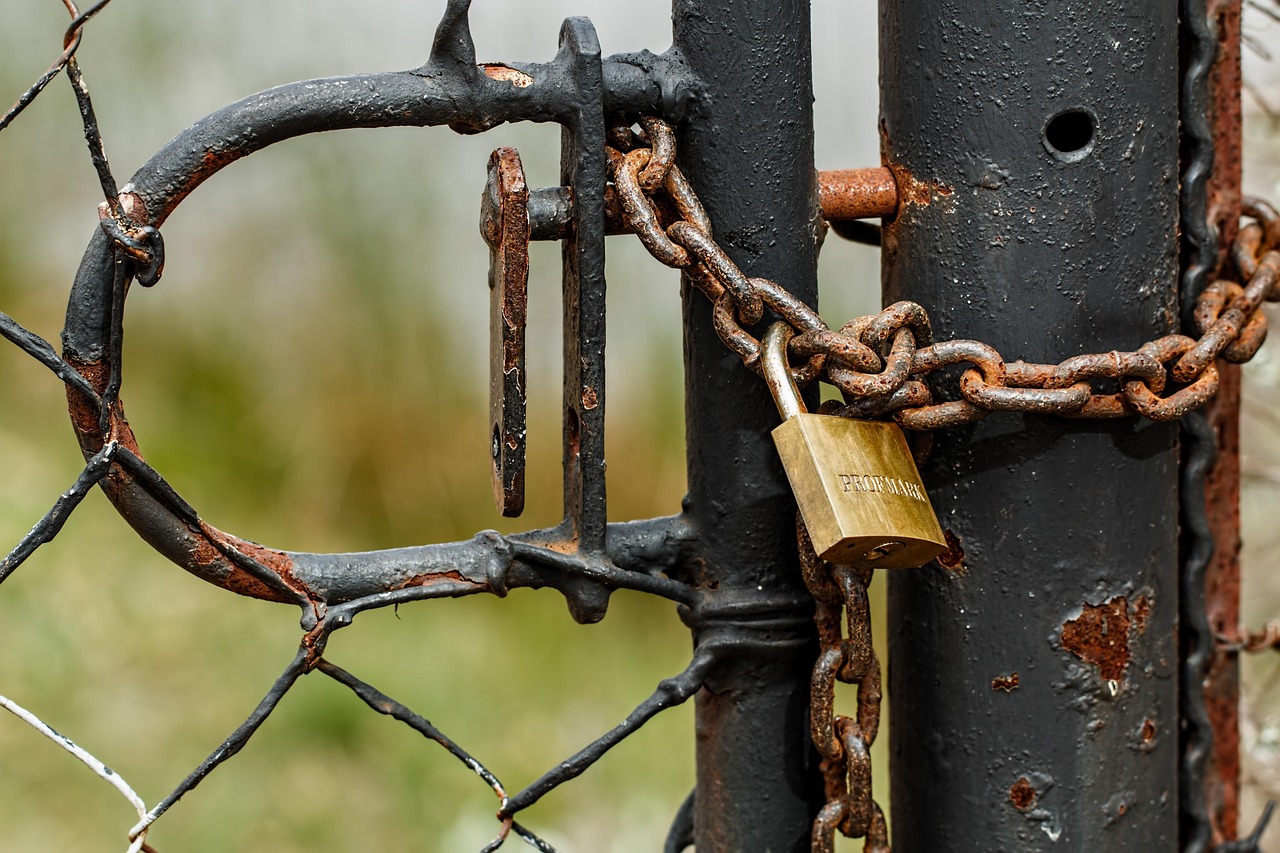
Horizontal rails give a gate strength and style, and they also give feet a place to land. A child or a determined intruder can use a horizontal rail like a ladder rung, so the placement of rails decides whether a gate is easy or hard to climb. Understanding where footholds come from lets a gate keep its strength without inviting a climb.
Why rails are used
Rails tie the vertical pickets together and hold the frame square. A gate with no rails would flex and sag, and the pickets would spread. Most metal gates have at least a top rail and a bottom rail, and wider gates add a middle rail. These parts carry the weight and resist twisting, so removing them is not an option.
The question is not whether to use rails, but how to arrange them so that the structure stays strong while the climbing surface stays small.
What makes a foothold
A foothold is any ledge that supports the width of a shoe, usually about an inch or more, with enough space beside it to push off. A flat bar rail turned on its side presents a wide shelf. A round tube is harder to grip but still usable. A horizontal rail with a gap of about a foot above it gives a climber a clear step and a handhold above.
Climbers use two things: a place for the foot and a way to pull up. A smooth vertical face with no ledge removes the first. Tall pickets with pointed tops remove the second for the last few inches. A design that denies both is hard to scale.
Rails on the climbing side
Gates have a side that faces a threat and a side that faces the protected space. Put the rails on the protected side, so the face that a climber approaches is made of smooth vertical bars. This is common on pool gates, where the aim is to keep small children from climbing in, and on yard gates, where the aim is to keep pets in or burglars out.
Keep in mind which side is which. A pool gate should be smooth on the outside, where children approach, while a pet gate should be smooth on the inside, where the dog will try to climb out. When both concerns matter, a design with rails tucked between pickets can reduce footholds on both sides.
Rail height
The lowest rail should be near the ground, within a couple of inches, so that nothing can slip under. The top rail should sit high enough that a climber cannot easily reach over. A middle rail at hip height is a classic step. Moving it up or down changes the pattern, and sometimes a single middle rail positioned just below the top reduces the climb.
Pool barrier rules often require a gap of at least forty five inches between horizontal rails, so that the space between them is too tall to climb. A fabricator who knows local requirements can lay out the gate to match.
Other things that act as steps
Decorative rings, scrolls, cross braces and chain mesh are all climbable. A diagonal brace creates a long slanted footing. A latch housing or a lock box can serve as a step if it sticks out. Even a nearby object such as a trash can, a bench or a stack of wood can turn a secure gate into an easy climb, so check the area around the gate as well as the gate itself.
The ground around the gate should be level. A pile of soil or a raised planter beside the fence reduces the effective height by the amount of the rise.
Alternatives to horizontal rails
A gate can use a rigid frame of thicker verticals with a bottom rail only, and a top rail mounted flush with the tops of the pickets. Another option is to place rails on the back of the gate behind a layer of solid panel. Some fabricators use a continuous sheet backing with the pickets welded in front, which removes gaps entirely.
A tapered picket top that curves outward, or a slight lean on the gate, also makes climbing harder. These details are small but effective.
Balancing look and function
Many homeowners like the lines of a gate with several horizontal rails, which echo a wood fence. A designer can offer a compromise: a thin rail set far apart, or a decorative band at the top where it cannot be used as a step. The look can stay close to the original idea while the climbing surface shrinks.
A quick check
- Stand at the climbing side and look for ledges wider than an inch.
- Count the gap between rails and compare with local pool rules where they apply.
- Look for braces, rings and hardware that might serve as steps.
- Remove nearby objects that give extra height.
- Have an adult try to climb the gate, with a spotter nearby.
A gate in Georgetown that keeps its rails strong, its climbing face smooth and its surroundings clear gives children and pets a safer yard without giving up the strength that metal provides.
Examples that work
A pool gate with vertical pickets on the outside and its rails on the inside leaves nothing for a child to step on. A yard gate for a climbing dog might use a top rail flush with the picket tops and a bottom rail near the ground, with no middle rail at all, relying on a thicker frame for strength. A tall privacy style gate may use a solid backing sheet with the structure hidden behind it.
If a middle rail is needed for strength, a flat bar set on edge presents only a thin ledge, which is much harder to stand on than a bar laid flat. Angled rails that slope outward shed a foot instead of holding it. Ask the fabricator to show a sketch of each option and point out where a shoe would land. A minute with a pencil drawing reveals most climbing problems before any steel is cut.